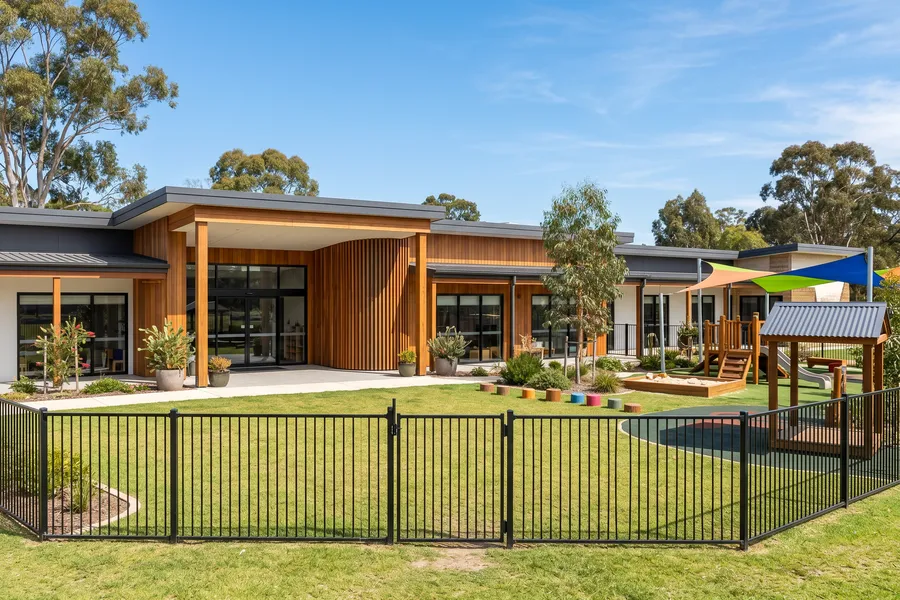
A residual stock loan refinances unsold, completed dwellings after practical completion. It releases the equity tied up in finished stock so a developer can retire maturing construction debt and fund the next project, without discounting units to clear them. It is a commercial facility for developers, not a consumer mortgage.
When a development reaches practical completion, the construction facility usually needs to be repaid even if some units remain unsold. A residual stock loan replaces that debt with a facility secured against the remaining completed stock. It buys time for an orderly sell-down and frees capital that would otherwise sit locked in finished units.
Gearing is measured as an LVR against the value of the remaining stock, often on an as-is and an in-one-line basis. The main drivers of appetite and pricing are the LVR, the depth of the remaining stock, the sales rate to date, the term required and the credibility of the sell-down plan. Some facilities reduce the loan as units settle, with sale proceeds paying down the balance. Pricing depends on the lender and the risk, so we do not quote a standard rate.
The alternatives to a residual stock loan are usually to discount the remaining units to clear the construction debt, or to seek a standard investment refinance. Discounting protects cash flow but erodes the development margin. A residual stock facility is often the structure that preserves both the margin and the timeline, where the value supports it.
We structure residual stock funding to protect the development margin and release capital for the next deal, then take it to lenders who understand completed-stock risk. The aim is an orderly, well-priced sell-down rather than a forced clearance.
Typically from practical completion, once titles have issued and the units are complete and saleable. It is designed to take over from a maturing construction facility.
As an LVR against the value of the remaining completed stock, often assessed both as-is and in-one-line. The depth of stock and the sales rate also drive appetite.
Often yes. Many facilities require sale proceeds to pay down the balance as individual units settle, so the loan amortises through the sell-down.
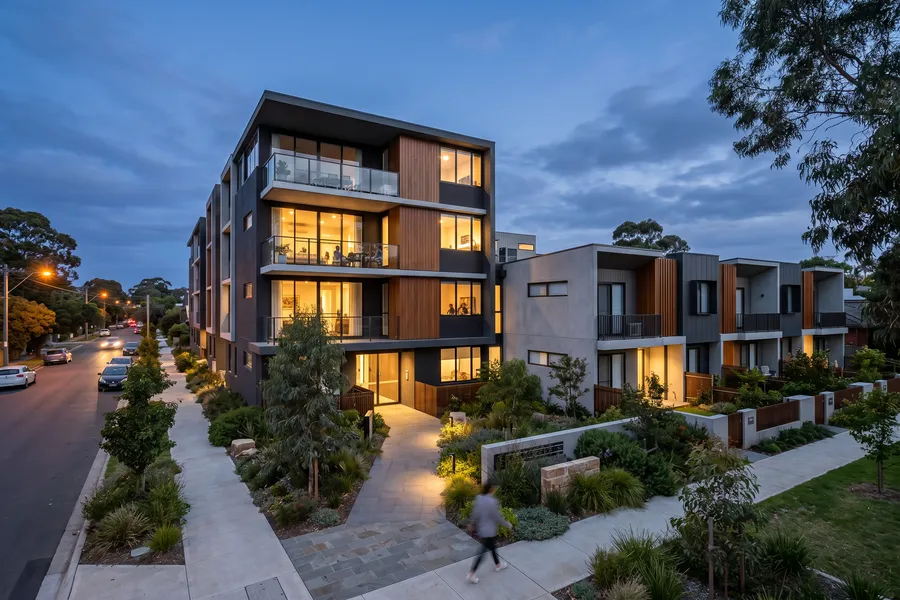
No. It applies to any completed residential stock, including townhouses and units, and to completed commercial stock in some cases, where the security supports it.
Tell us about the project, the numbers, and the timeline. We will give you an honest read on whether we can fund it and what a suitable structure could look like. Email loans@bottomlinefinance.com.au or send the form.
Talk to us